
You have experience.
Someone needs it.
Whatever your career stage, your skills and experience can help a local organisation move forward.
Working, approaching retirement, semi-retired or retired? EST connects individual volunteers and company teams with organisations in the UK and overseas.
Bring your company team →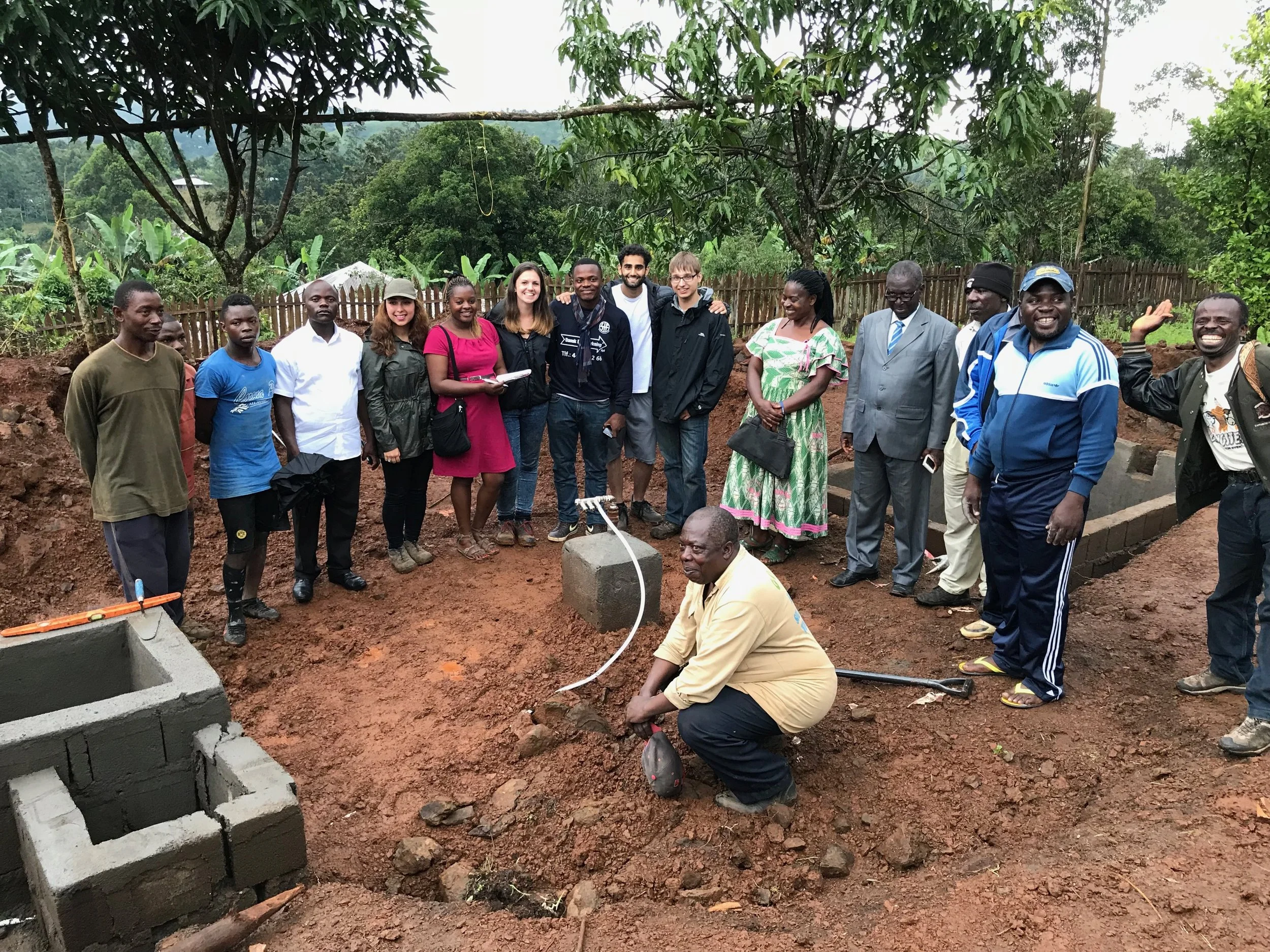
Local people lead.
Skills stay with them.
Useful support starts with the priorities and expertise of the people who live and work there. These commitments shape every EST assignment.
Local need comes first.
Partners define the need, set the priorities and agree the work. Communities keep ownership of decisions and results.
No displacement.
Volunteers strengthen local teams. They must not take jobs from local people or replace paid local professionals.
Transfer skills that last.
Training, mentoring and working alongside people build knowledge and confidence that remain after the volunteer leaves.
Clear roles, appropriate expertise and respect for safeguarding, culture and dignity matter throughout. We agree realistic goals and review the value with the local partner.
A useful skill.
The right connection.
A stronger local team.
An organisation knows what it needs to achieve. Someone has experience that could help. EST brings them together around a clear, practical brief.
How EST worksThe local organisation sets the priorities.
Agree the skills, time and support needed.
Build knowledge the local team can keep using.
Build your team.
Share what you know.
Bring colleagues together around a real challenge for a UK or overseas organisation. Skills-based volunteering can combine meaningful team building with useful support shaped by the organisation itself.
A team might help develop a business plan, improve project management, assess an engineering idea or share specialist knowledge. Work can be remote, in person or a blend of both.
Discuss a company team project →Real projects.
Useful skills.
Health knowledge shared. A stronger fundraising proposal. An engineering idea made practical. These Global Support Link examples show how professional experience can help local organisations move forward. EST builds on that experience as a separate initiative.
A good idea needs
a strong proposal.
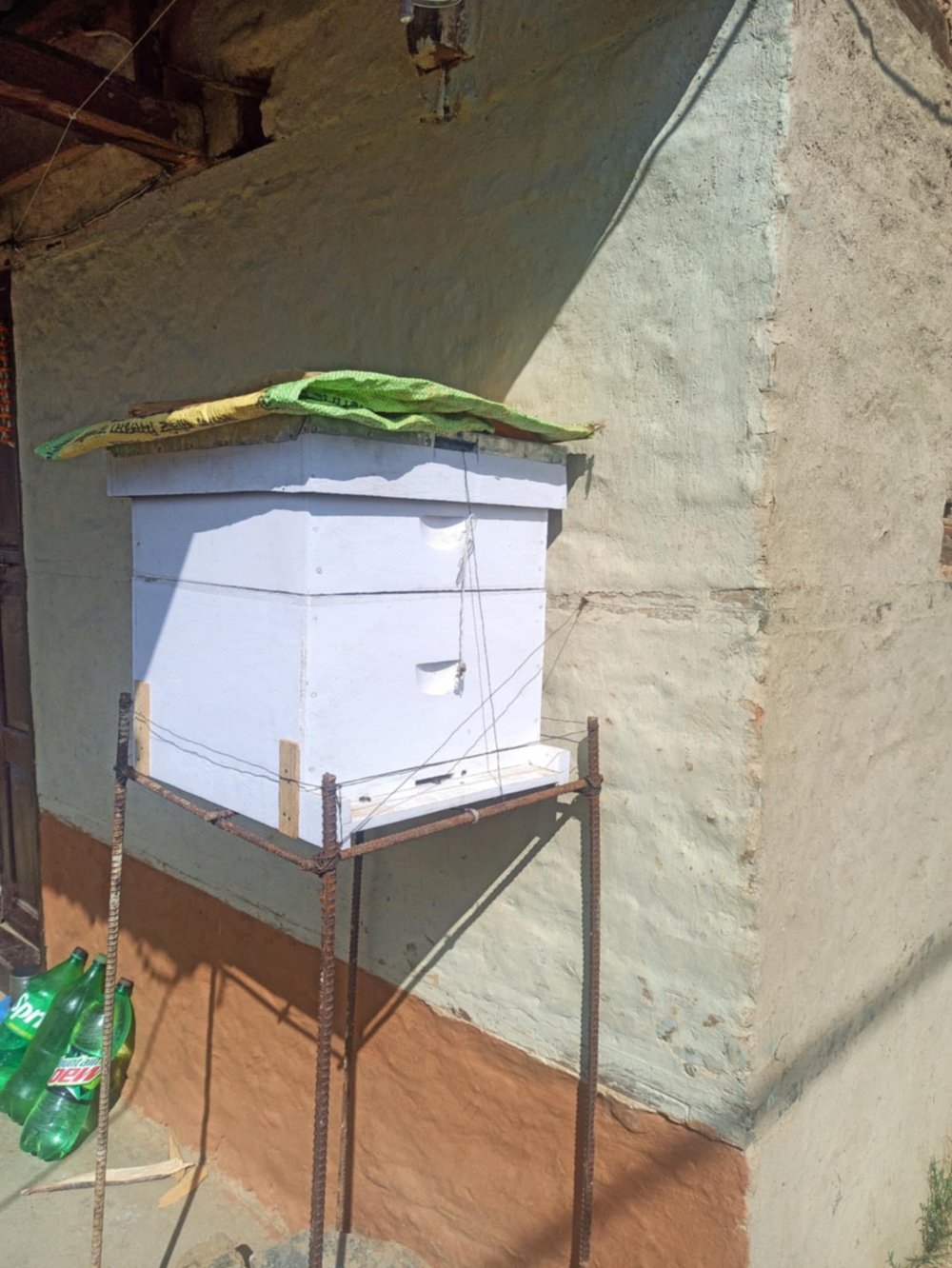
The beekeeping project offered women a way to develop an income from honey. The professional skill transferred was helping the local organisation prepare an effective fundraising proposal for the project.
Engineering skills.
Energy from waste.
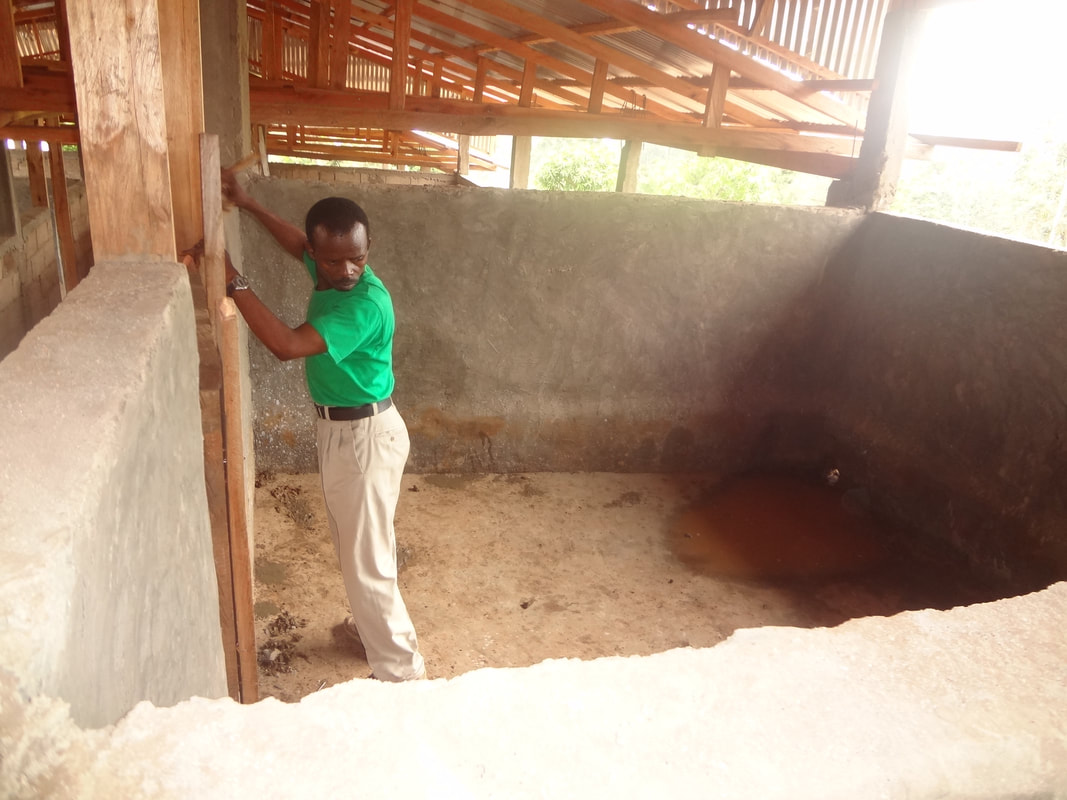
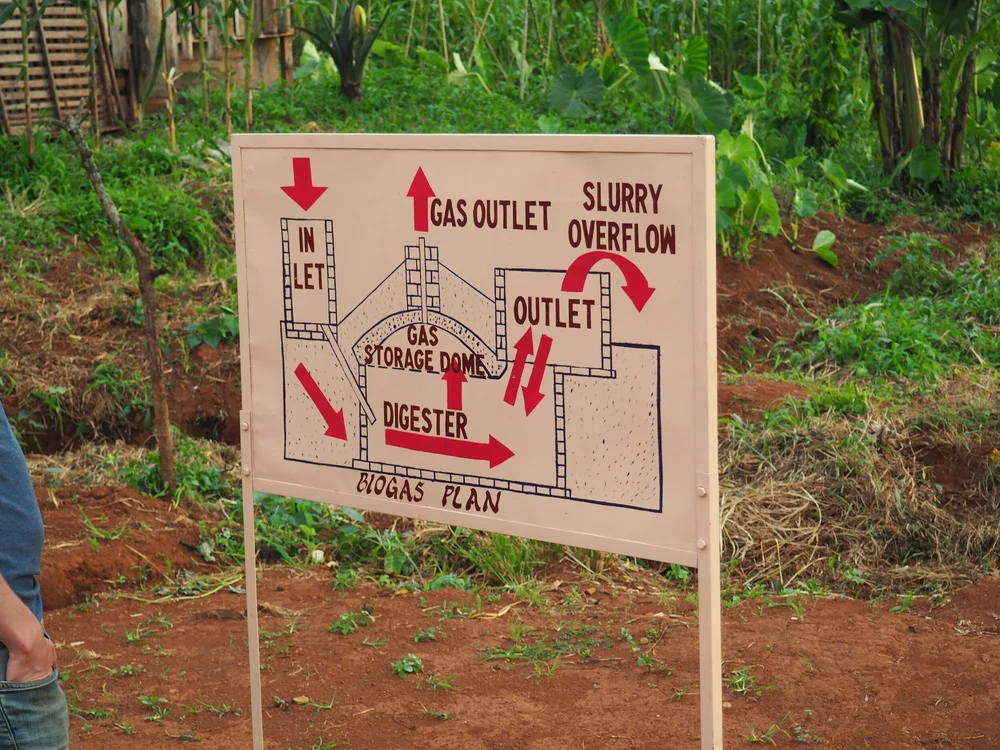
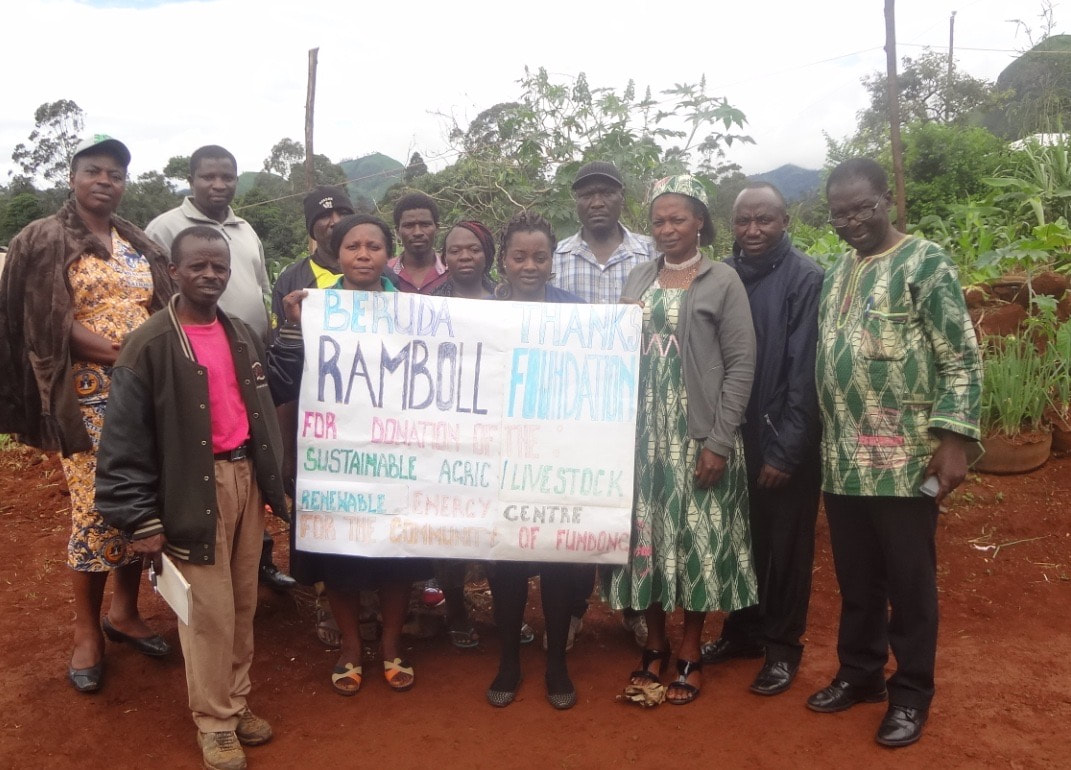
The Ramboll-supported biogas project brought together BERUDA, the local partner, and engineering experience to develop an agricultural centre with a pig farm, fish pond and biogas system.
Ramboll staff helped define the project. Funding came from the Ramboll Foundation, while volunteers from the University of Nottingham’s Engineers Without Borders Society worked with the local team on construction.
Medical expertise.
Shared with local teams.
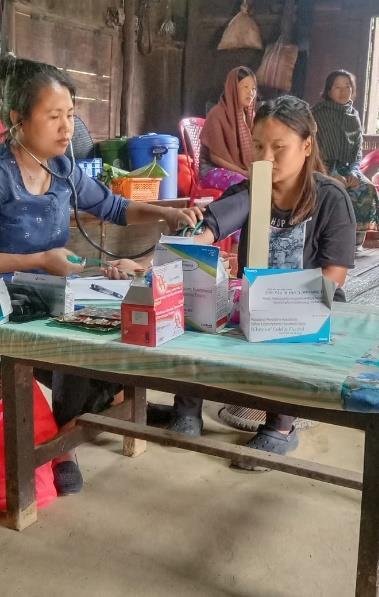
The Health Education Programme in Nagaland works with NARUDA to bring practical health knowledge to remote communities, alongside the work of a local nurse.
Medical care and training company Iqarus has been involved, and its medical director has helped us develop the programme. This is a practical example of a company sharing specialist expertise to support a locally delivered service.
Better understanding.
Stronger community support.
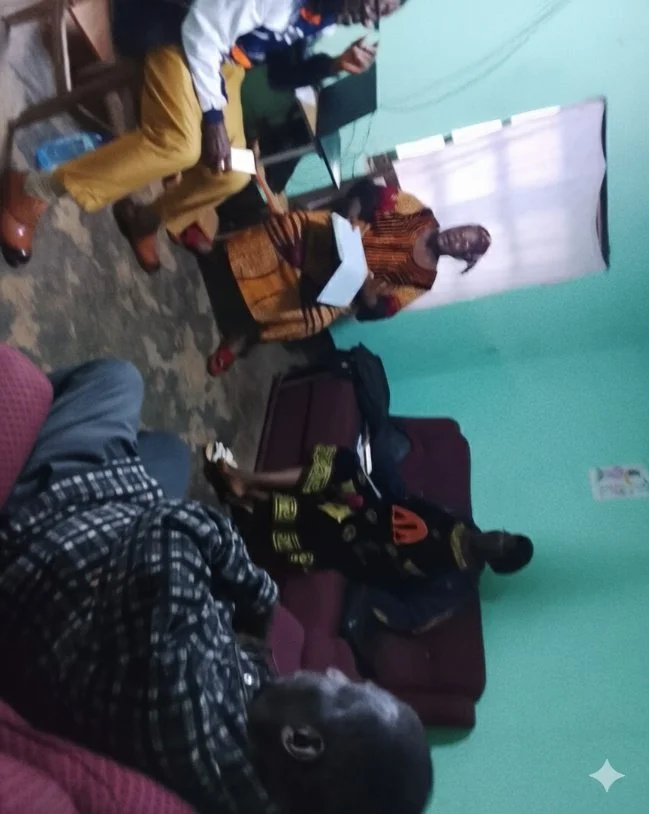
Working with BERUDA in Cameroon, the mental health programme helps people already active in their communities understand distress, listen with empathy and reduce stigma.
We have a trainer supporting this work: Dr Anabela Pinto of the Cambridge E-Learning Institute, working with Global Support Link and BERUDA on the teaching and programme development.
Help Lalong plan
reliable power.
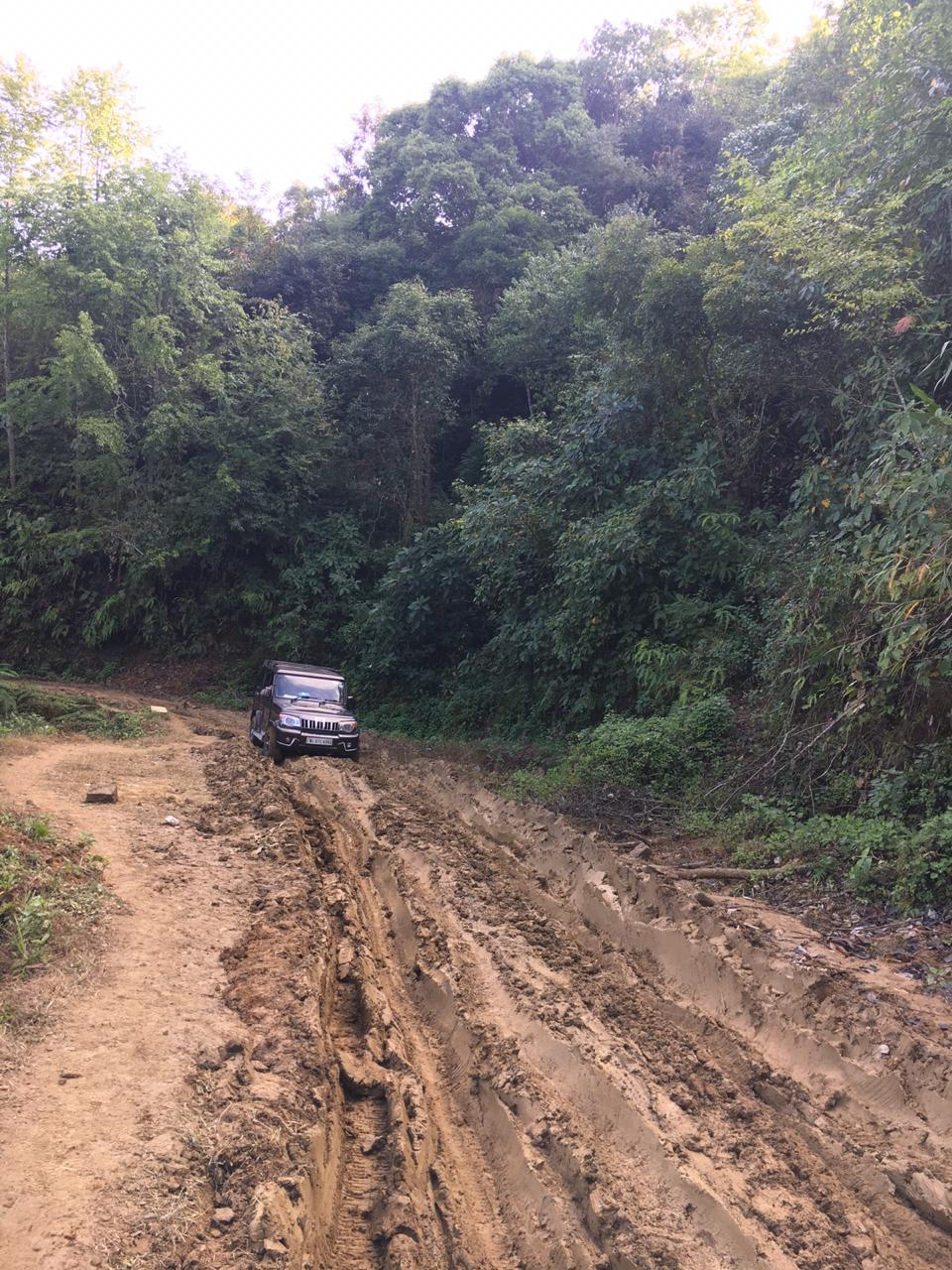
Lalong is a remote village in Nagaland, north-east India. The original proposal describes long electricity outages and difficult access — practical challenges an engineer could help the community address.
We want an experienced electrical or renewable-energy engineer to work with local partner NARUDA and the community on a feasibility study. Solar power is one option to assess.
At proposal stage. The brief starts from the December 2021 proposal; current needs, feasibility and funding must be confirmed with the local partner.
Catch the rain.
Plan for the dry season.
We want to develop a rainwater harvesting project for the whole of Nagaland, shaped village by village around local needs.
Earlier GSL-supported work in Nzau shows a practical starting point: collecting and storing rainwater to help a hilltop community through dry periods.
An ambition to develop with partners. Local assessment, pilot projects and funding would come before wider delivery.

Engineering is just
one starting point.
EST also welcomes experience in medical education, project management, business management and fundraising. Support can be remote or in person, in the UK or overseas — always led by what the local organisation needs.
Explore the skills you could share →Meet the people behind EST.
Every useful connection starts with a conversation. Here is where you will meet the people helping to bring EST together.
John
Biography to follow.
A little about John's experience and why EST matters to him.
Amy
Biography to follow.
A little about Amy's experience and why EST matters to her.
Head of Training
Name and biography to follow.
Details will be added here.
Let's start with what
you know. Or what you need.
I have experience to share.
Working, self-employed, taking a career break or retired? Share your professional experience as an individual or with a company team.
Explore volunteering →Our organisation needs support.
Tell us about your priorities and the skills your team wants to develop. We can explore what useful support might look like.
Tell us what you need →Opening photograph supplied by John. Project photographs and stories: Global Support Link, BERUDA and NARUDA. Lalong photograph: the original power proposal. Cameroon discussion photograph: the mental health concept note. Global Support Link is a Scottish registered charity; EST is a separate initiative. Contact EST.